
IVF · ICSI
In vitro fertilization in Atlanta, GA
Advanced IVF in Alpharetta and Lawrenceville, with personalized care from a reproductive endocrinologist.
IVF at Hope Fertility
Compassionate IVF care in North Atlanta
Hope Fertility is a leading fertility clinic in Atlanta, Georgia, offering compassionate, personalized IVF treatment in North Atlanta for individuals and couples experiencing infertility.
We provide advanced reproductive care for patients who have not had success with other fertility treatments and are ready for the next step in their infertility treatment journey.

Is IVF right for you?
When we recommend IVF
For many patients, IVF is the next step after other treatments haven't worked. We'll evaluate your case and recommend the best plan.
- Blocked or damaged fallopian tubes
- Low sperm count or male-factor infertility
- Unexplained infertility
- Failed IUI or previous fertility treatments
- Difficulty conceiving naturally after a year or more
Our specialists provide personalized fertility evaluations to determine the most effective treatment plan for your needs.

What is IVF?
In vitro fertilization explained
IVF is an advanced form of assisted reproductive technology (ART) used to help patients achieve pregnancy when natural conception is not successful.
During IVF treatment, the process includes:
- Eggs retrieved from the ovaries
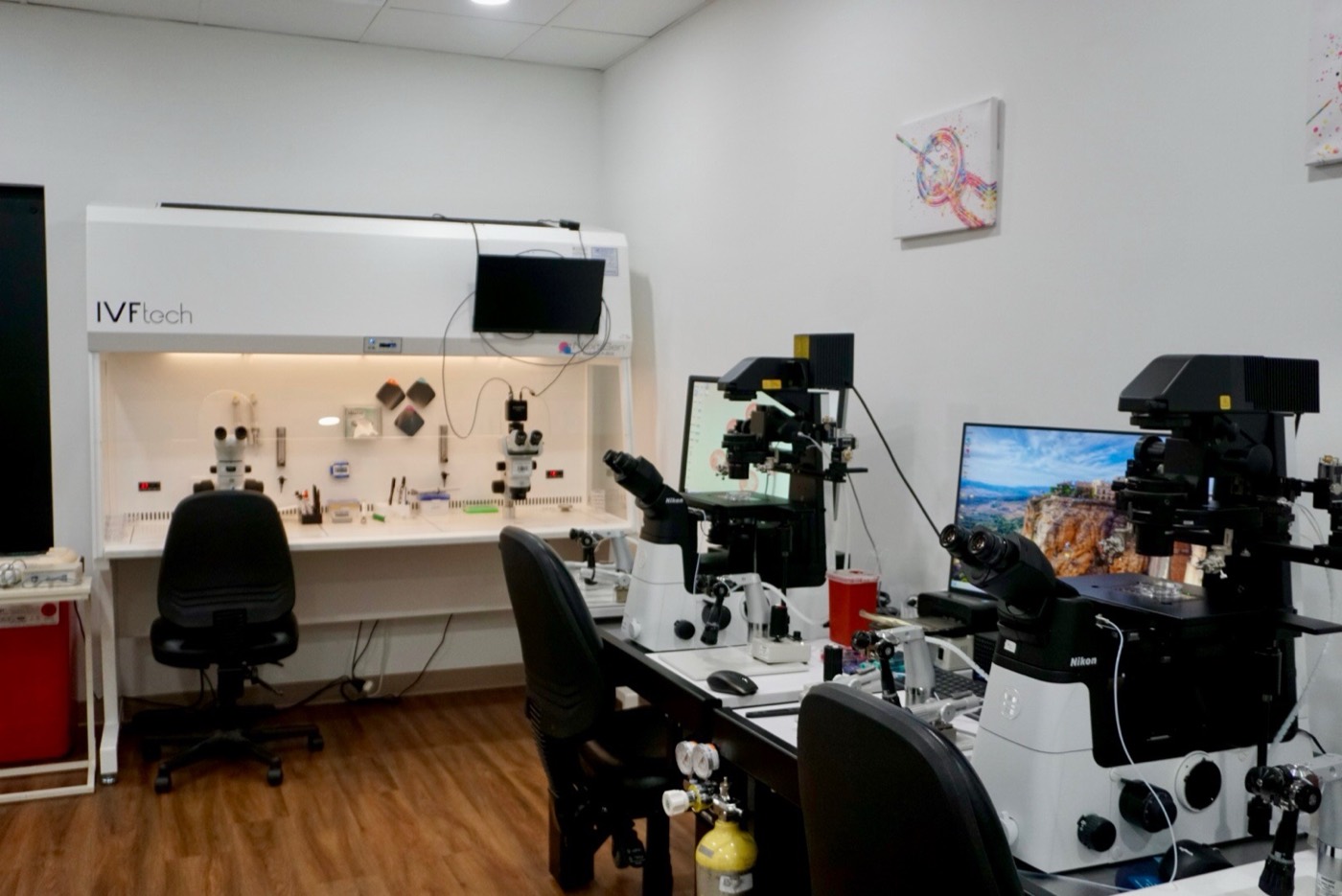
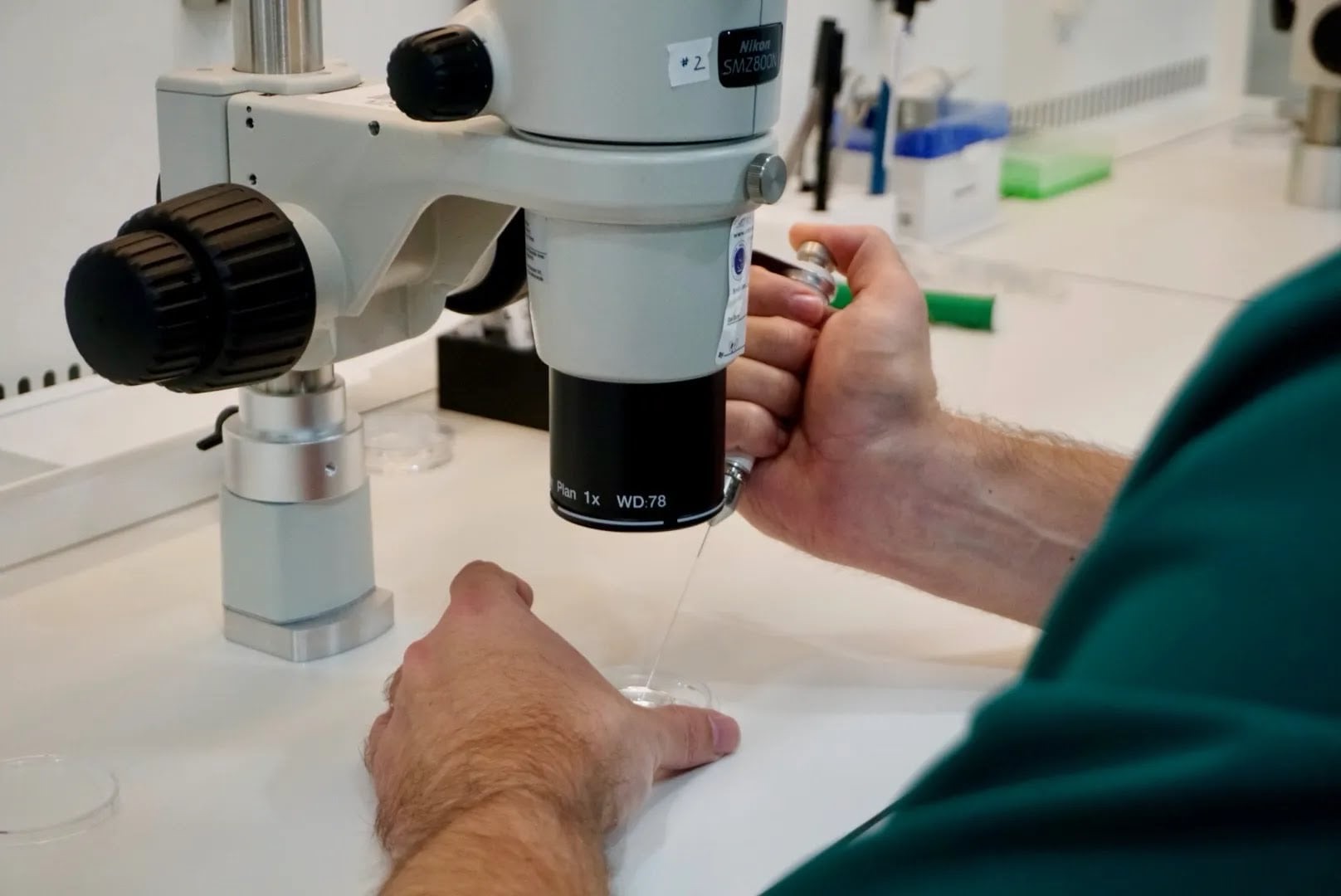
- Fertilization performed in a controlled embryology laboratory
- Embryos monitored for growth and development
- The healthiest embryos selected for transfer
The IVF process
Your journey, step by step
About 4–6 weeks from stimulation to transfer, or longer if embryos are frozen.
Ovarian stimulation
Medications help the ovaries produce several mature eggs, with close monitoring.
Egg retrieval
A minimally invasive outpatient procedure under sedation.
Fertilization
Eggs are fertilized in our lab (with ICSI when needed) and embryos are monitored for several days.
Embryo transfer
The highest-quality embryo is placed in the uterus.
Why Hope Fertility
Trusted IVF care in North Atlanta
- An experienced reproductive endocrinology team
- A modern embryology lab, with PGT through a specialized genetics laboratory
- Advanced IVF and infertility treatments in Alpharetta and Lawrenceville
- Personalized care plans, never one-size-fits-all
- Compassionate, patient-centered support
- Single embryo transfer to reduce the risk of multiples
- Upfront pricing and financial counseling
Our goal is to provide the highest level of fertility care in North Atlanta, with a focus on outcomes, comfort and emotional support.
FAQ
Common questions
How much does IVF cost?
IVF egg retrieval is $10,000 and an embryo transfer is $4,500. Your total depends on medications, testing and add-ons like genetic testing. Our financial coordinator reviews your estimate before treatment. See all pricing →
What is the success rate?
It varies with age, egg quality, sperm health and overall reproductive health. Younger patients generally see higher rates. You can compare US clinics in the public data from the Society for Assisted Reproductive Technology at sart.org (opens in new tab). Dr. Asemota will review your individual prognosis at your consultation.
Does IVF increase the chance of twins?
Only if more than one embryo is transferred. We often recommend single embryo transfer to reduce risk while keeping success rates high.
How long does IVF take?
About 4–6 weeks from stimulation to transfer. It takes longer if embryos are frozen for a later transfer.
Is IVF painful?
Most patients tolerate it well. You may have mild cramping or discomfort, and egg retrieval is done under sedation.
What is IVF and how does it work?
Eggs are retrieved from the ovaries, fertilized in a laboratory, and then transferred into the uterus as embryos. IVF is commonly used for infertility caused by blocked fallopian tubes, male-factor infertility and unexplained infertility.
Who should consider IVF?
IVF may be recommended if you have blocked fallopian tubes, low sperm count or motility (male infertility), unexplained infertility, multiple failed IUI cycles or other fertility treatments, or difficulty conceiving after a year or more of trying.
Take the first step
Schedule your IVF consultation
If you are struggling with infertility or have been diagnosed with a condition affecting conception, we can help you explore your options. Talk with Dr. Asemota about whether IVF is right for you.