
Advanced IVF treatment
Intracytoplasmic sperm injection (ICSI) in Atlanta, GA
Advanced IVF treatment for male factor infertility in Lawrenceville, Alpharetta and North Atlanta.
ICSI explained
What is ICSI? IVF with sperm injection
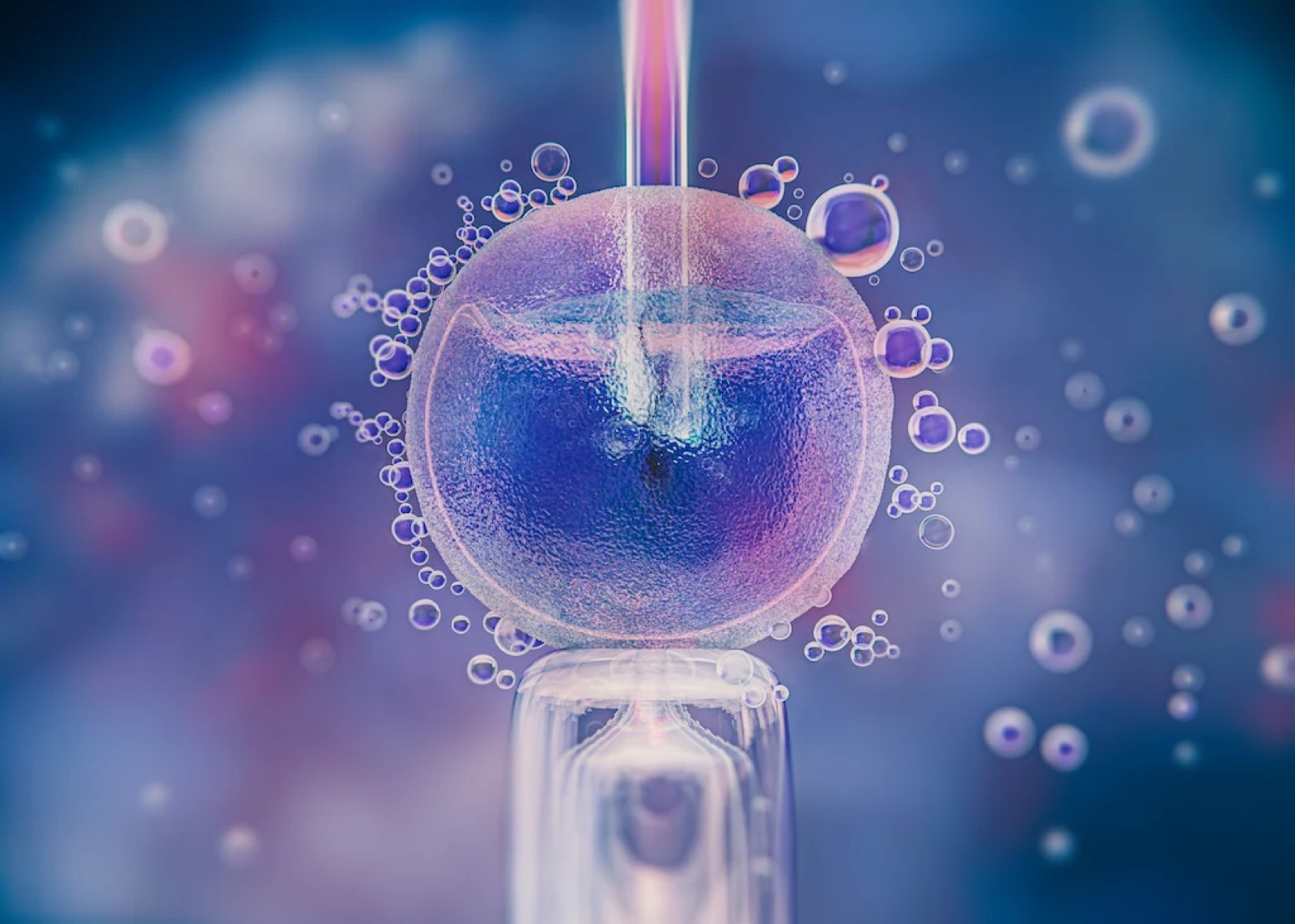
Intracytoplasmic sperm injection (ICSI) is a specialized form of assisted reproductive technology (ART). It is used during IVF to improve fertilization in cases of male infertility or previous fertilization challenges.
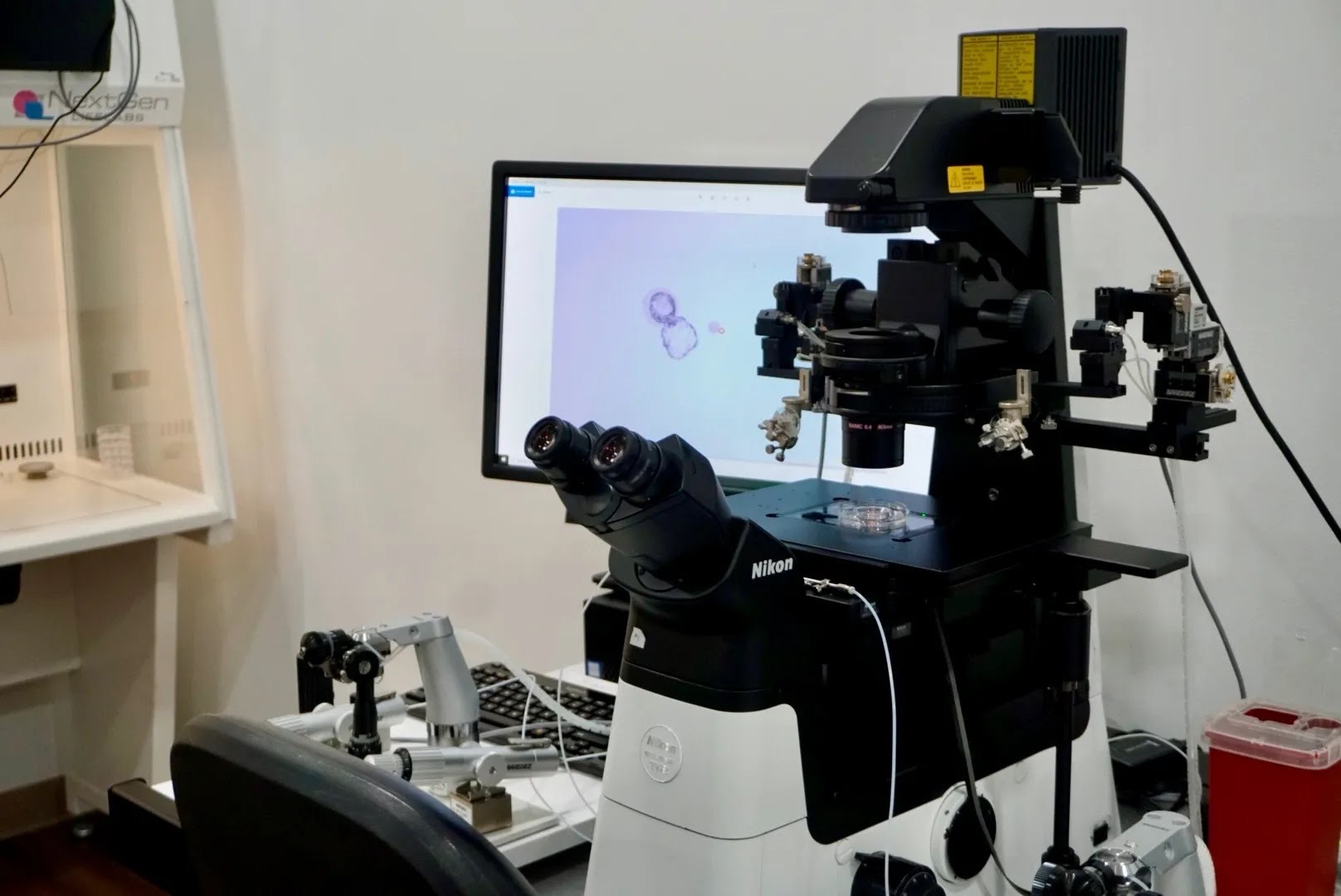
In ICSI, a single healthy sperm is injected directly into a mature egg. This bypasses natural fertilization barriers. It is performed by highly trained embryologists using advanced micromanipulation tools.
At Hope Fertility, we offer ICSI as part of IVF treatment to increase the chances of successful fertilization when standard IVF may not be enough.
Is ICSI right for you?
When is ICSI recommended?
ICSI may be recommended for patients experiencing:
- Low sperm count (oligospermia)
- Poor sperm motility
- Abnormal sperm shape (morphology issues)
- Previous failed IVF fertilization
- Sperm retrieval procedures (TESA, PESA)
- Unexplained fertilization failure
It is especially beneficial for male factor infertility treatment.
The process
How the ICSI process works
ICSI is performed in our IVF laboratory after egg retrieval.
Egg retrieval
Mature eggs are collected from the ovaries during an IVF cycle.
Sperm selection
A single healthy sperm is carefully selected under a microscope.
Sperm injection
The sperm is injected directly into the egg with a specialized microneedle.
Embryo development
Fertilized eggs are monitored as they develop into embryos.
Embryo transfer
The highest-quality embryo is transferred into the uterus.
IVF vs ICSI
ICSI vs traditional IVF
ICSI gives more control over fertilization, especially when sperm quality is a concern.
| Feature | Traditional IVF | ICSI |
|---|---|---|
| Fertilization method | Sperm naturally fertilizes the egg | A single sperm is injected into the egg |
| Best for | General infertility | Male factor infertility |
| Fertilization control | Lower | Higher |
| Use in fertility labs | Standard IVF | Advanced IVF technique |
Success factors
ICSI success rates
ICSI doesn't guarantee pregnancy, but it can significantly improve fertilization rates in cases of male infertility. Success depends on:
- Egg quality
- Sperm quality
- Maternal age
- Overall embryo development
Your fertility specialist will review your personal IVF with ICSI success rates at your consultation.
Why Hope Fertility
Why choose ICSI at Hope Fertility?
Hope Fertility is a trusted fertility clinic in Alpharetta and Lawrenceville, GA, offering advanced reproductive technology, including ICSI. We provide:
- An expert embryology team trained in micromanipulation
- Advanced IVF laboratory technology
- Personalized male infertility treatment plans
- Comprehensive fertility evaluations
- Compassionate, patient-centered care
Costs depend on your IVF plan. See starting prices →
FAQ
Questions about ICSI in Atlanta
What is ICSI in IVF?
ICSI (intracytoplasmic sperm injection) is an advanced IVF technique where a single healthy sperm is injected directly into a mature egg to assist fertilization. It is commonly used for male factor infertility or after previous fertilization failure.
Who needs ICSI treatment?
ICSI may be recommended for patients with low sperm count, poor sperm motility, abnormal sperm shape (morphology issues), previous failed IVF fertilization, or sperm retrieval procedures (TESA or PESA).
Is ICSI better than traditional IVF?
ICSI isn't better for everyone. It is a specialized technique used when fertilization may be difficult with traditional IVF, and it is especially beneficial for male infertility.
Does ICSI improve IVF success rates?
ICSI can improve fertilization rates when sperm quality is a concern. Overall pregnancy success depends on several factors, including egg quality, embryo development and maternal age.
Is ICSI safe for embryos?
Yes. ICSI is considered safe when performed by experienced embryologists. In most cases, injecting a single sperm into the egg doesn't significantly affect embryo development.
What is the difference between IVF and ICSI?
Traditional IVF lets sperm fertilize the egg naturally in a laboratory dish. ICSI injects a single sperm directly into the egg to assist fertilization.
Does ICSI increase the chance of having a baby boy or girl?
No. ICSI doesn't influence the sex of the embryo, which is determined by the sperm chromosome (X or Y), not by the procedure. Patients who want to choose can read about sex selection.
What are the success rates of ICSI?
ICSI fertilization rates are generally high, especially for male factor infertility. Pregnancy success depends on several factors, including embryo quality and maternal age.
Take the next step
Take the next step with ICSI
If you've been told there may be a male factor issue, or previous IVF cycles haven't resulted in fertilization, ICSI may be the next step.